Your brain is your
worst trade.
Mind the Market explores the cognitive biases, emotional patterns, and psychological traps that silently sabotage your portfolio. Academic rigor, made readable.
Latest Research
Deep Dives
View all →Long-form analysis on the intersection of psychology and markets. Peer-reviewed concepts, plain-English explanations.
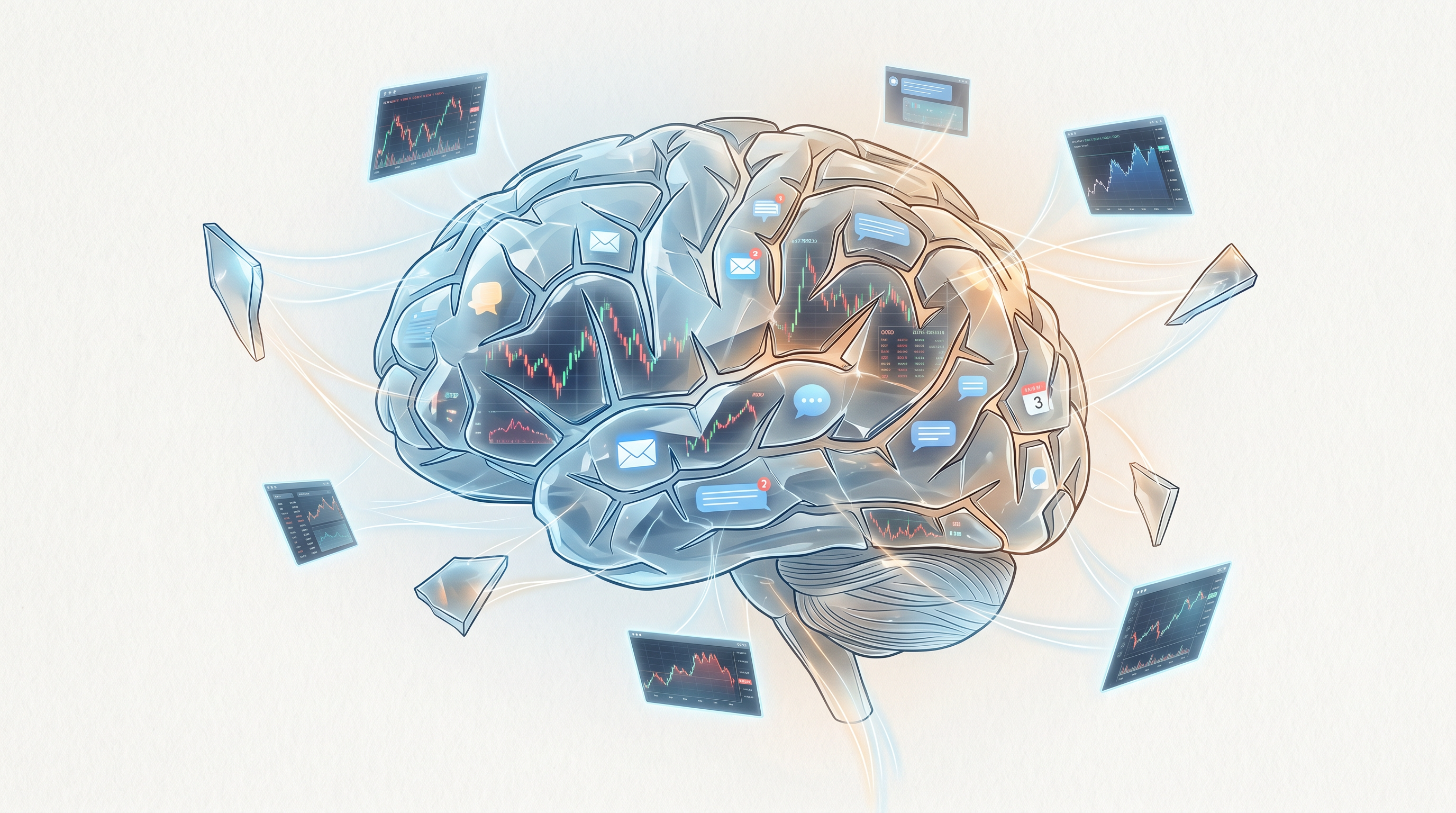
Attention Residue: Why Checking Your Phone Between Trades Is Destroying Your Edge
Sophie Leroy's research reveals why the mental remnants of your last task silently sabotage your next trade — and how a 30-second protocol can fix it.

Interoception: The Body Awareness Skill That Separates Profitable Traders From Everyone Else
Traders who can detect their own heartbeat are more profitable and survive longer on the desk. Here's the science — and a practical protocol.

Notification Fatigue: Why Your Trading Alerts Are Hijacking Your Risk Perception
Too many alerts don't sharpen your edge — they dull it. Here's the neuroscience of notification fatigue and the Management Science gamification research you need to redesign your alert stack.

The Narrative Fallacy in Trading: Why the Best Story Always Costs You Money
Nassim Taleb coined it. Kahneman explained it. Here's how the narrative fallacy hijacks trading decisions — and the evidence-based defenses that actually work.

The Instagram Brain in Your Trading App: How Social Media Rewires Risk Perception
Years of social media use have physically rewired Gen Z reward circuits. Here's how that manifests in trading — herding, validation-seeking, survivorship bias — and how to counter it.

Regret Aversion and FOMO Cycles: Why Traders Chase Missed Trades and How to Break the Loop
Regret aversion drives the FOMO cycle that pushes traders to chase missed trades and refuse stop-losses. Here's the behavioral science—and how to break the loop.
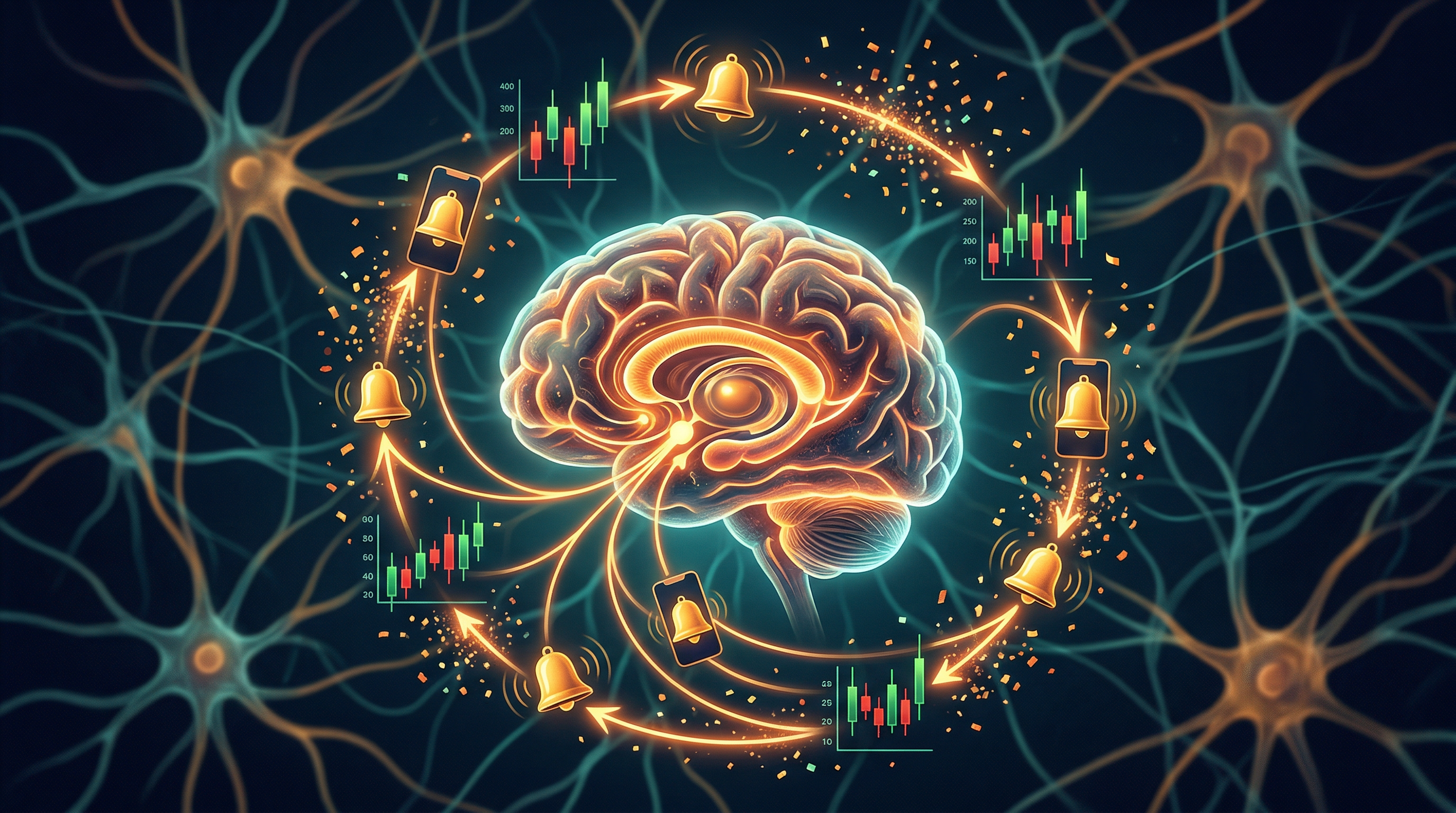
The Dopamine Loop in Trading: How Notifications, Confetti, and Variable Rewards Push You Into Overtrading
Trading apps use confetti, push notifications, and variable rewards to hijack your dopamine system. Here's the research—and how to break the overtrading loop.
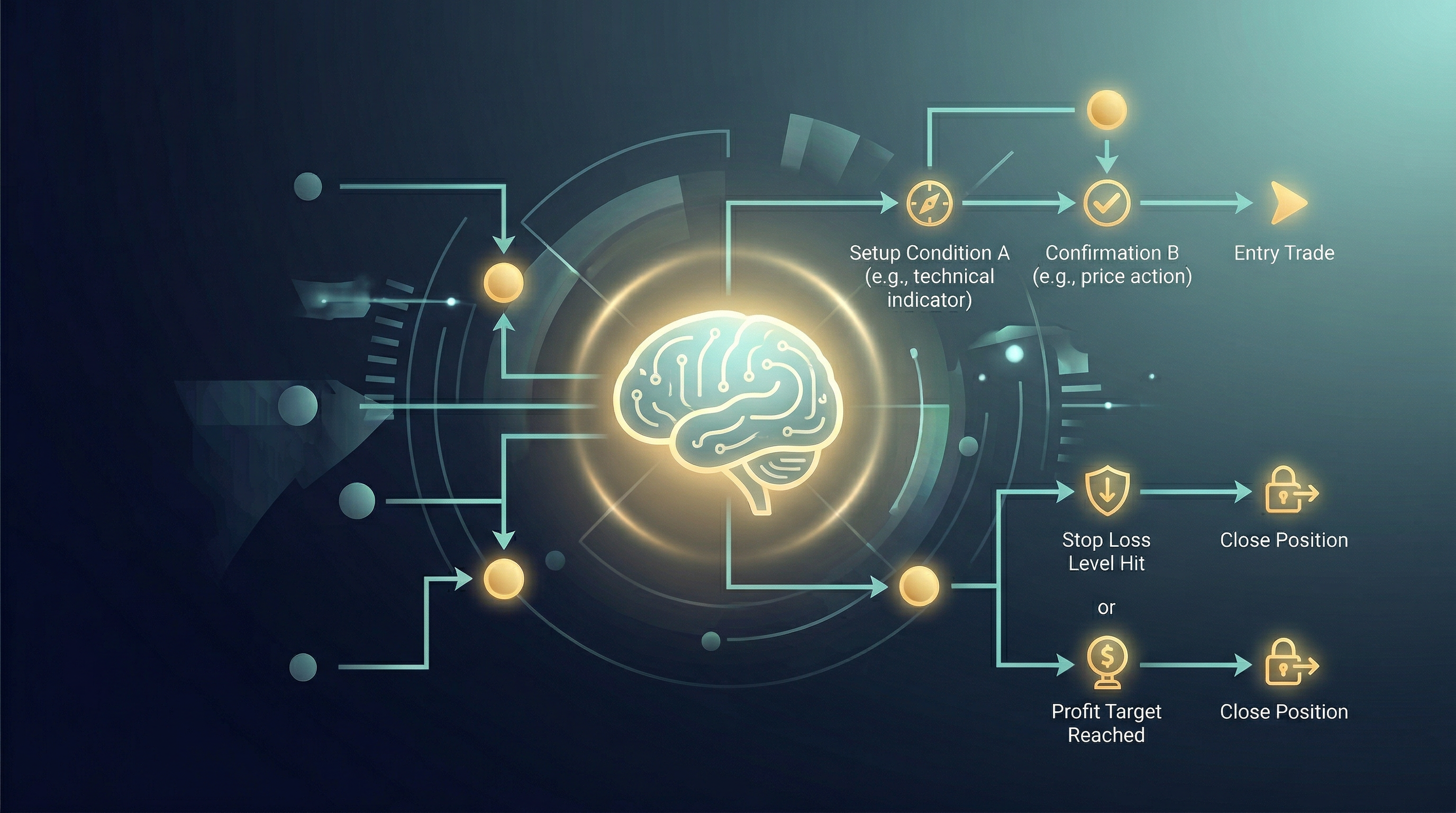
Implementation Intentions: How If-Then Plans Build Unbreakable Trading Discipline
Science-backed if-then planning turns vague trading rules into automatic behavior. Here's how pre-committing to specific behavioral responses reduces emotional decisions and protects your risk.

The Dunning–Kruger Effect in Trading: Why Beginners Feel Like Pros
Early wins can trick your brain into untested confidence. Here’s the psychology—and a practical 30-day system—to calibrate confidence to competence.

Hot-Hand Fallacy vs. Gambler’s Fallacy in Trading: How Streak Beliefs Blow Up Your Risk Management
Streaks feel like signals, but they’re often just randomness. Here’s how hot-hand and gambler’s fallacies rewrite your risk—and how to stop.

How Trading App Gamification Hijacks Your Brain (and Why Journaling Fights Back)
Trading apps borrow game mechanics and notifications that can quietly push you into overtrading. Here’s the research—and a journaling protocol that restores discipline.

Sensation-Seeking Trading: Why Your Brain Craves Action (and How to Stop Overtrading)
Overtrading isn’t always a strategy problem. Sometimes it’s sensation seeking — a brain that craves stimulation. Here’s how to build friction and regain control.
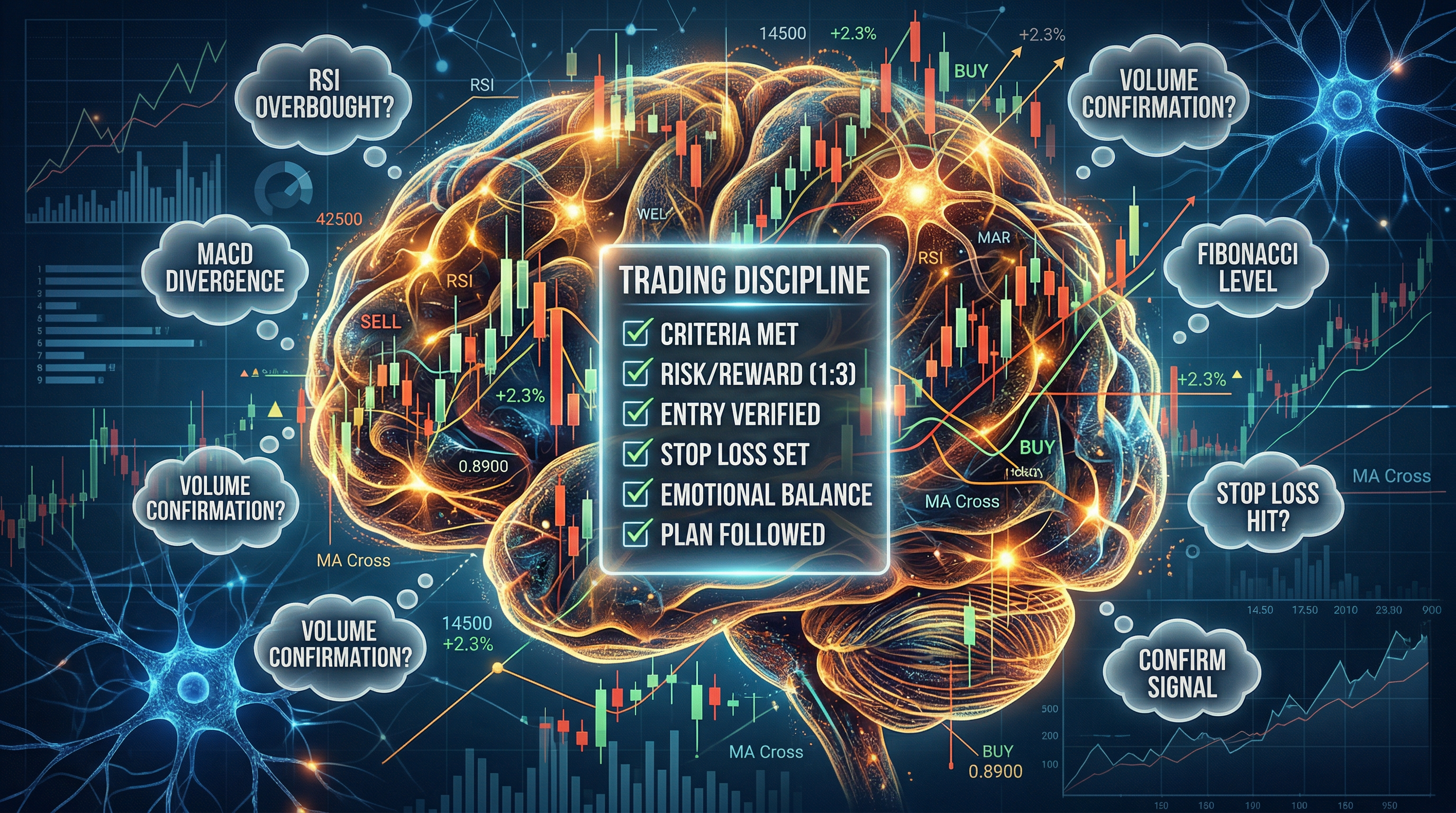
Overtrading Checklist: 9 Signs You're Forcing Trades (and a Reset Protocol)
Most traders overtrade without realizing it. Here are the 9 psychological signals — and a research-backed reset protocol to break the cycle.

Financial Nihilism: The Psychology Behind Gen Z's 'Nothing to Lose' Trading Mentality
When traditional wealth-building feels impossible, risk-seeking becomes rational. Here's the psychology behind Gen Z's financial nihilism — and how to channel it.

Anchored VWAP: The “Market Memory” Indicator That Calms Overtrading
Anchored VWAP turns chaos into one stable reference point: the average cost since the moment that mattered. Here’s how to use it without overtrading.
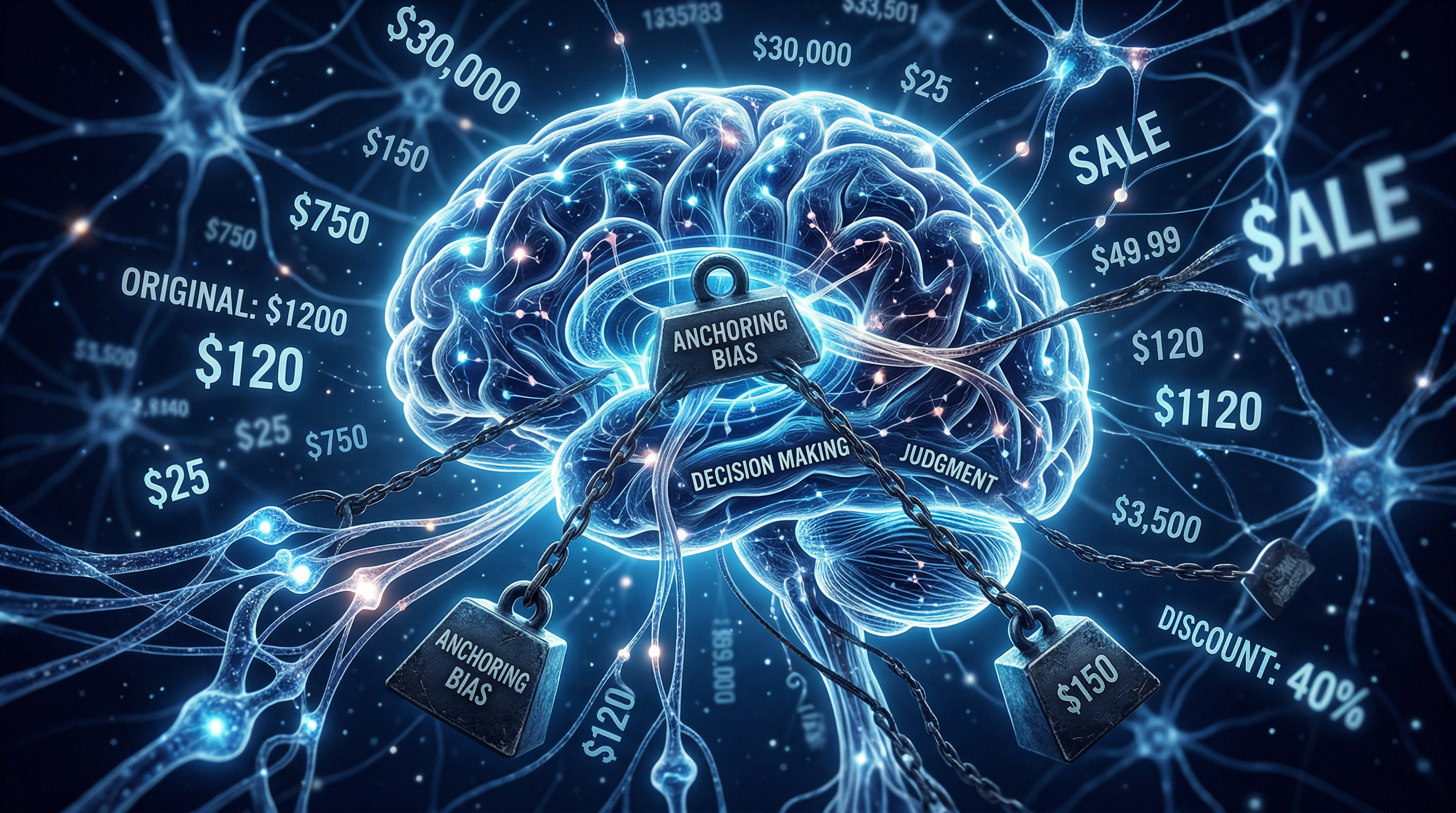
Anchoring Bias in Trading: Why Your Entry Price Hijacks Every Exit
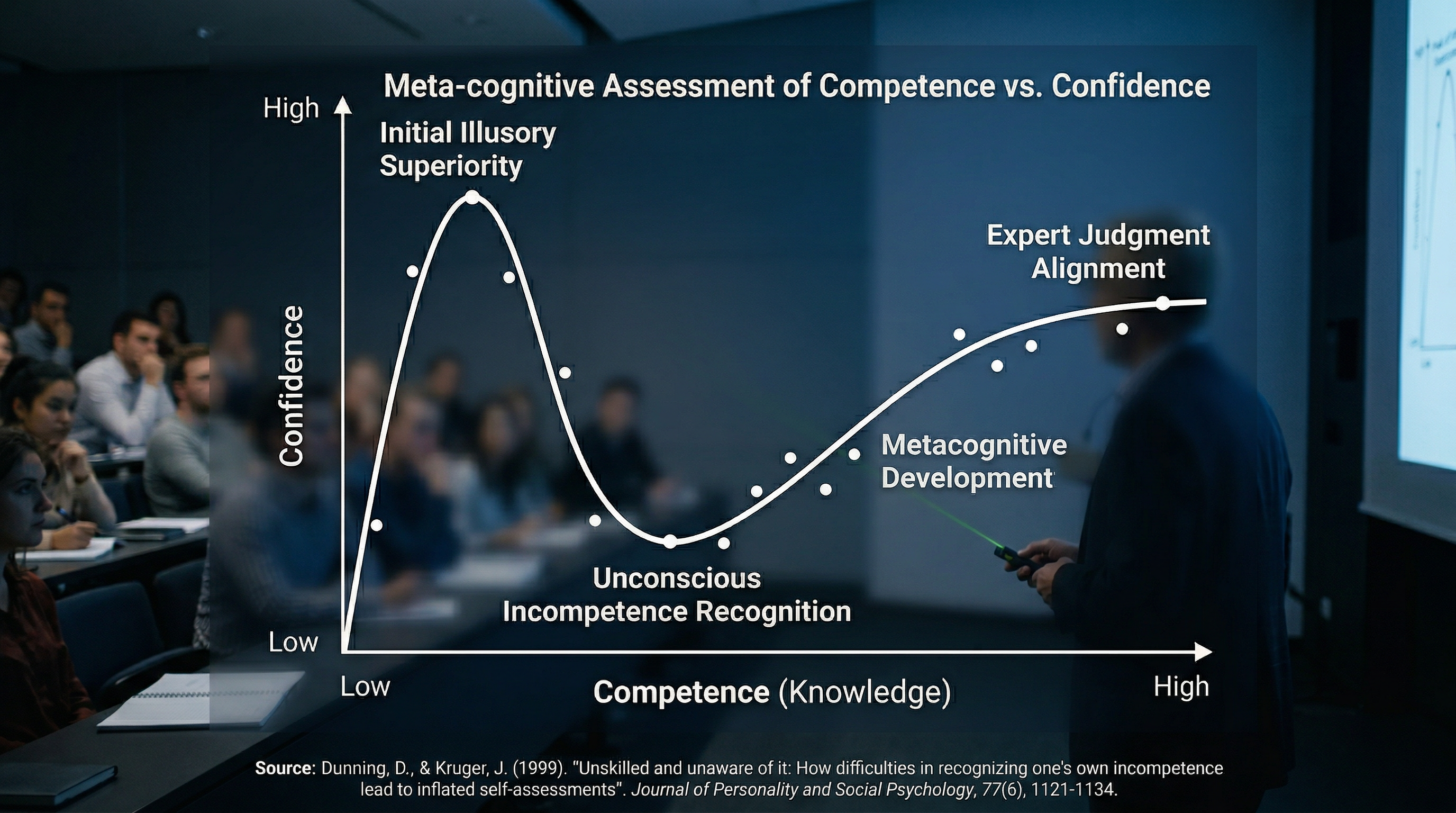
The Dunning-Kruger Effect in Markets: When Confidence Outruns Competence
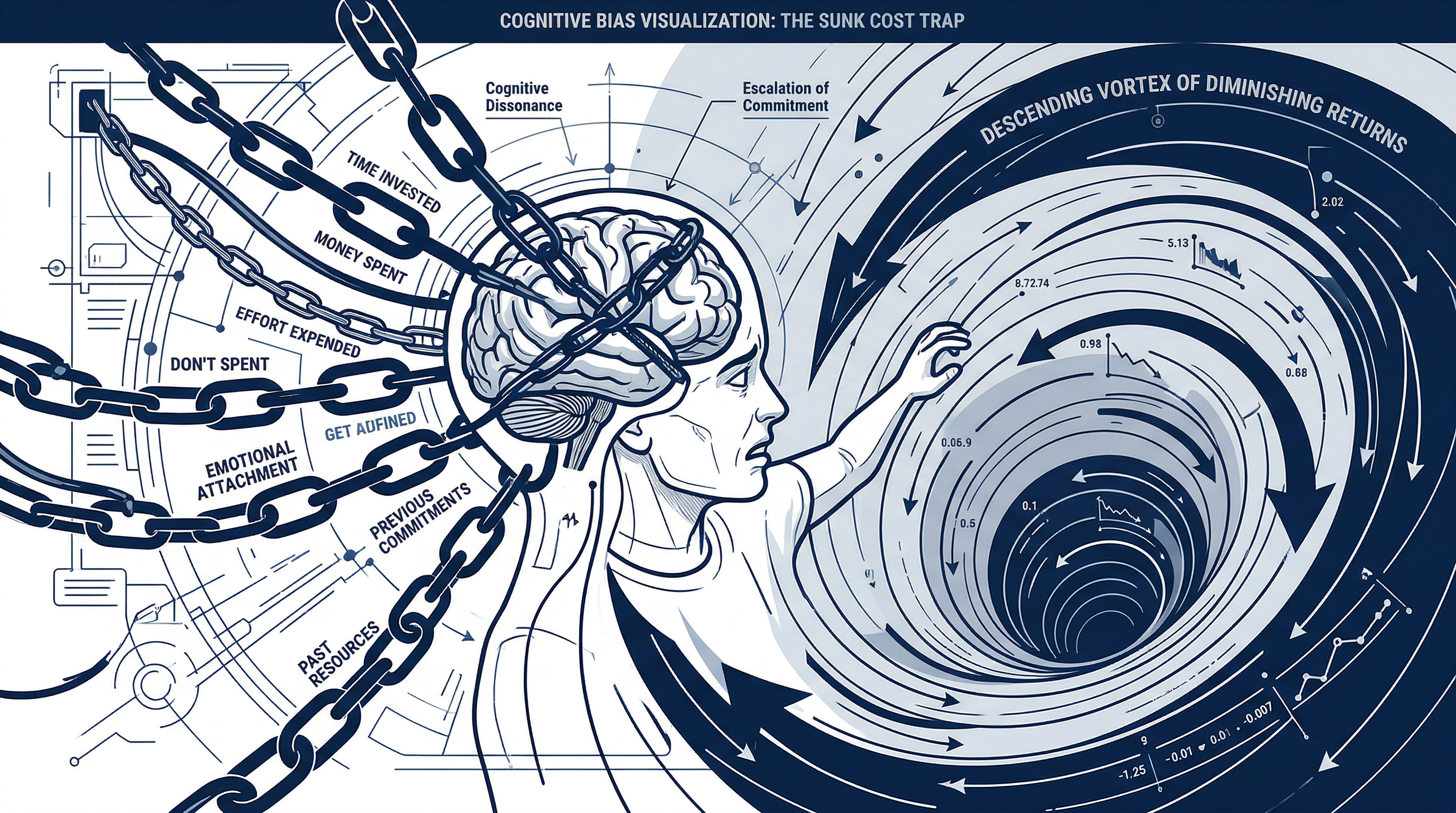
Sunk Cost Fallacy: Why You Hold Losers Way Too Long
Confirmation Bias: How You Only See Charts That Agree With You
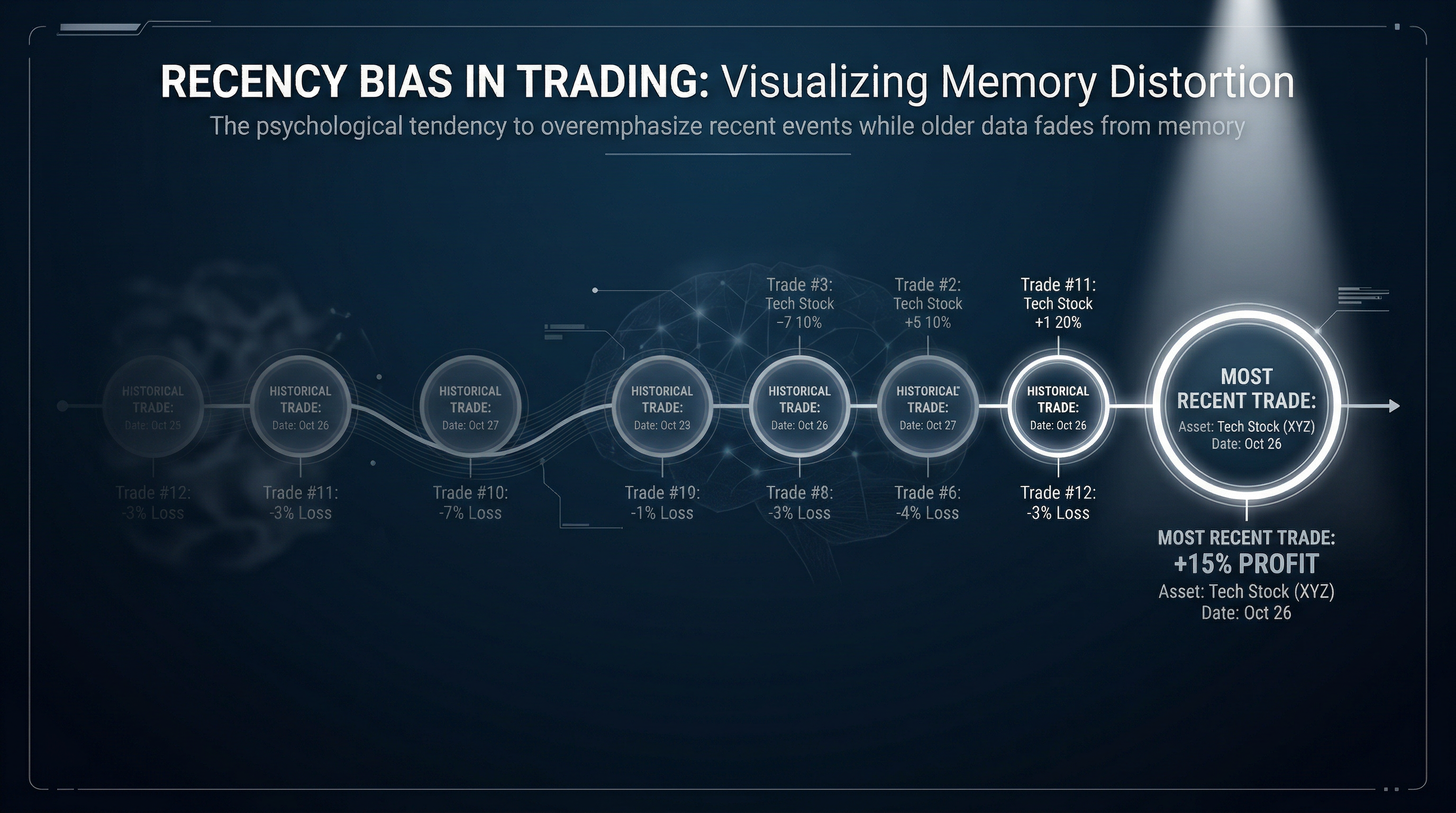
Recency Bias: Why Yesterday's Trade Ruins Today's Plan
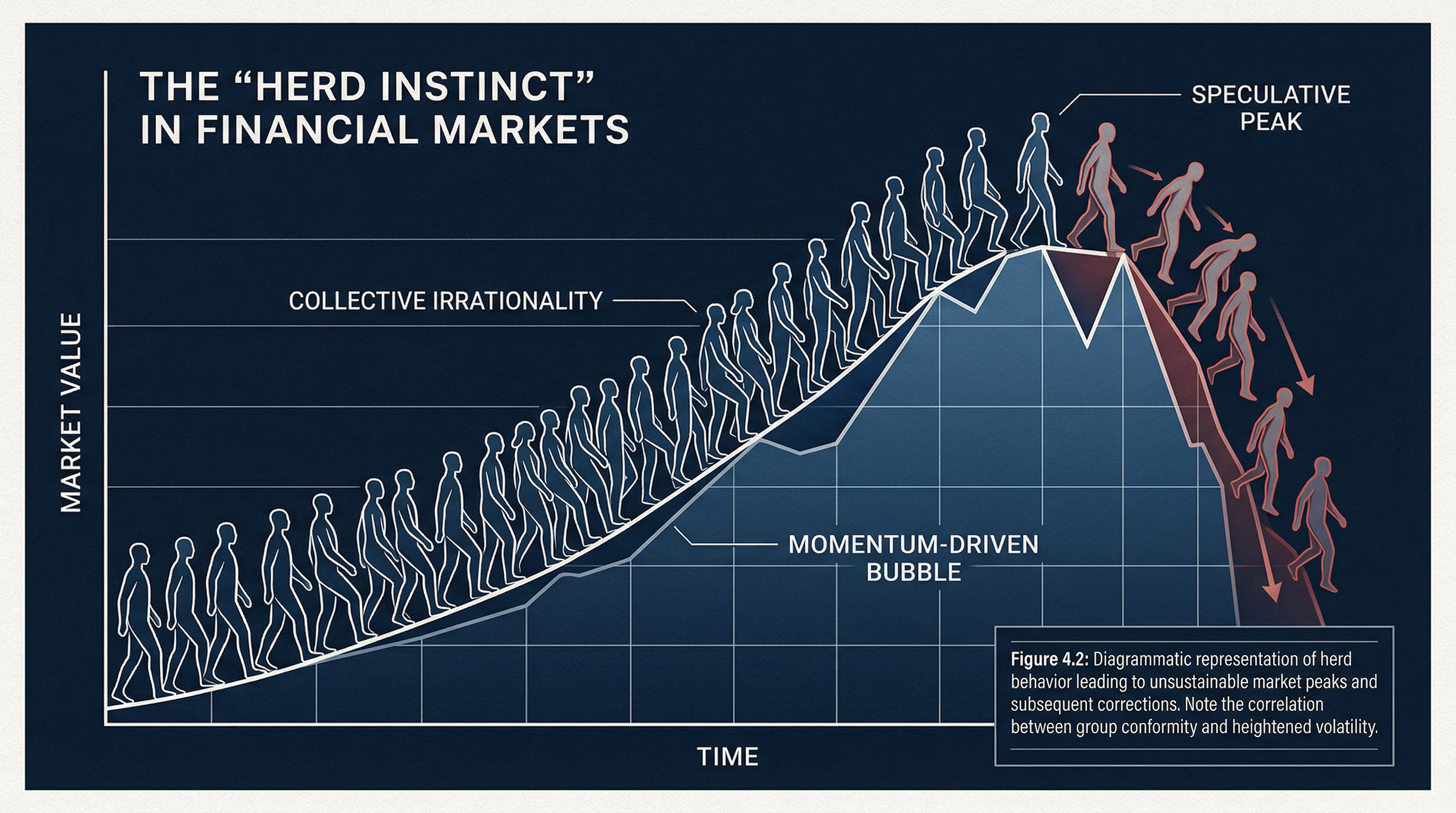
Herding Behavior in Markets: The Psychology of Following the Crowd
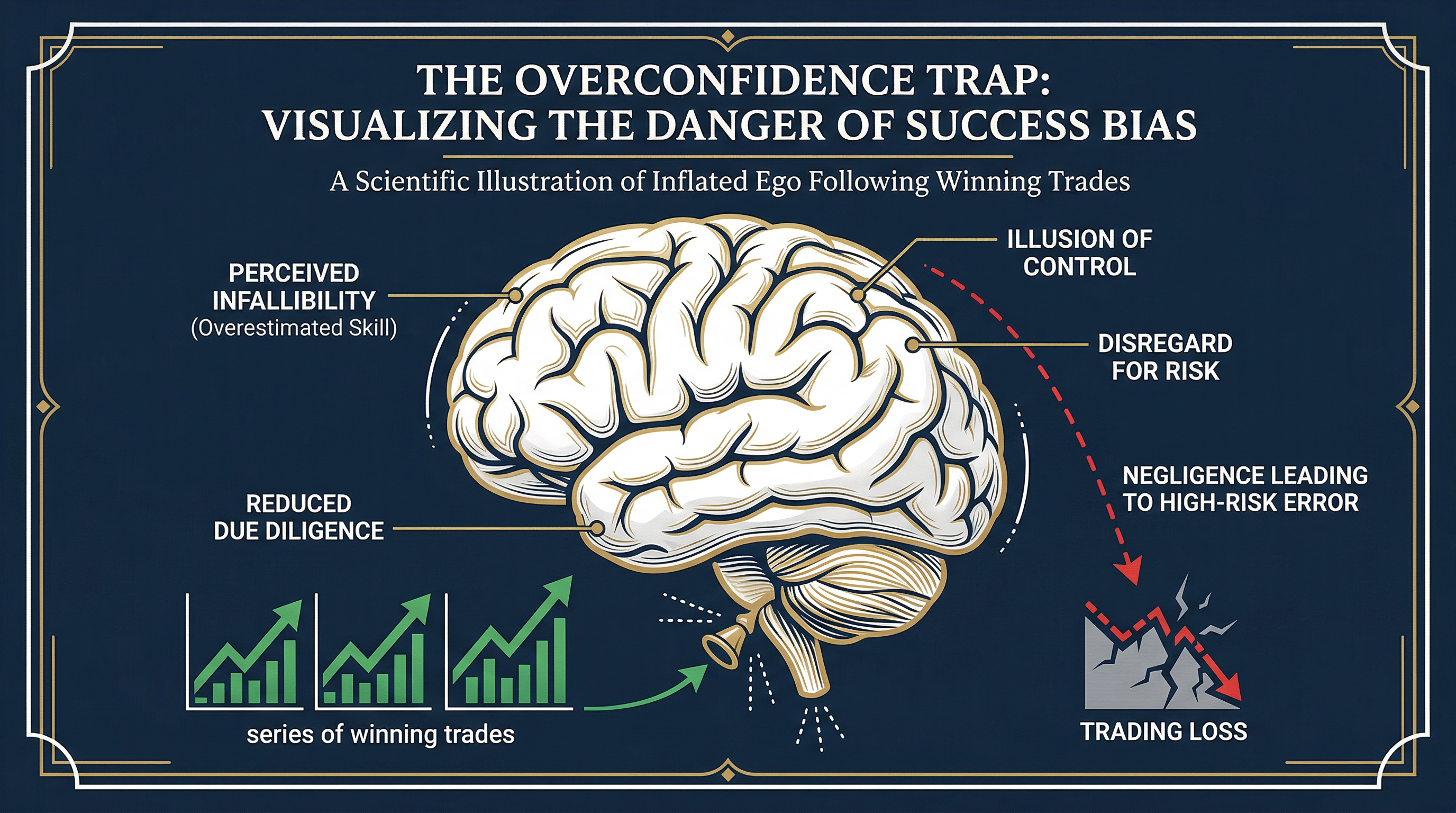
Overconfidence After a Win Streak: The Trader's Deadliest Trap

Stress Inoculation for Traders: Military-Grade Mental Prep for Market Days

How to Build a Pre-Trade Routine That Actually Calms Your Brain

The Flow State in Trading: How to Access Peak Performance

Emotional Regulation Techniques for Live Trading Sessions
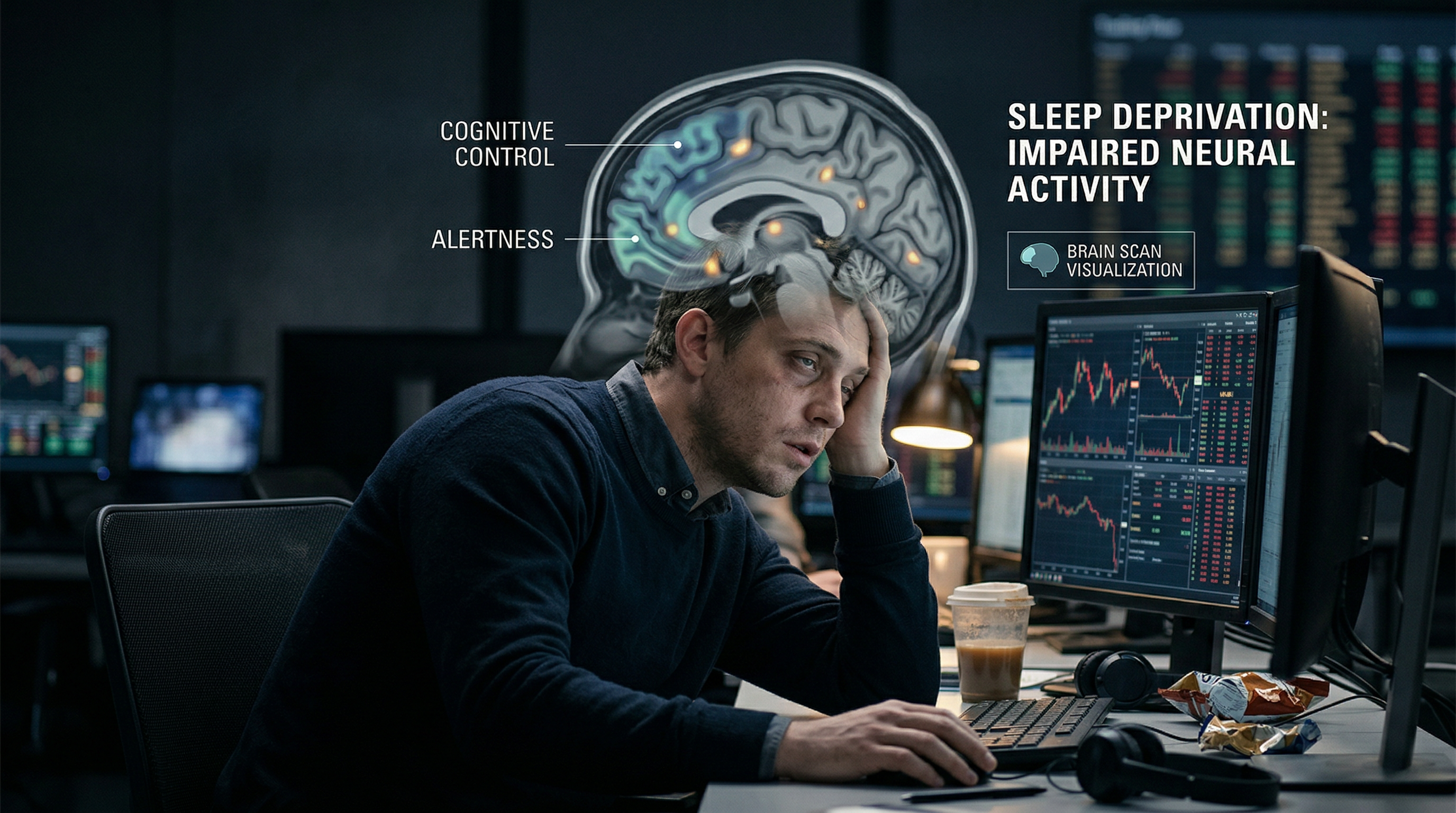
Why Sleep Deprivation Costs Traders More Than Bad Strategies

Mindfulness and Trading: What the Research Actually Shows

The Psychology of Drawdowns: How to Survive Without Spiraling
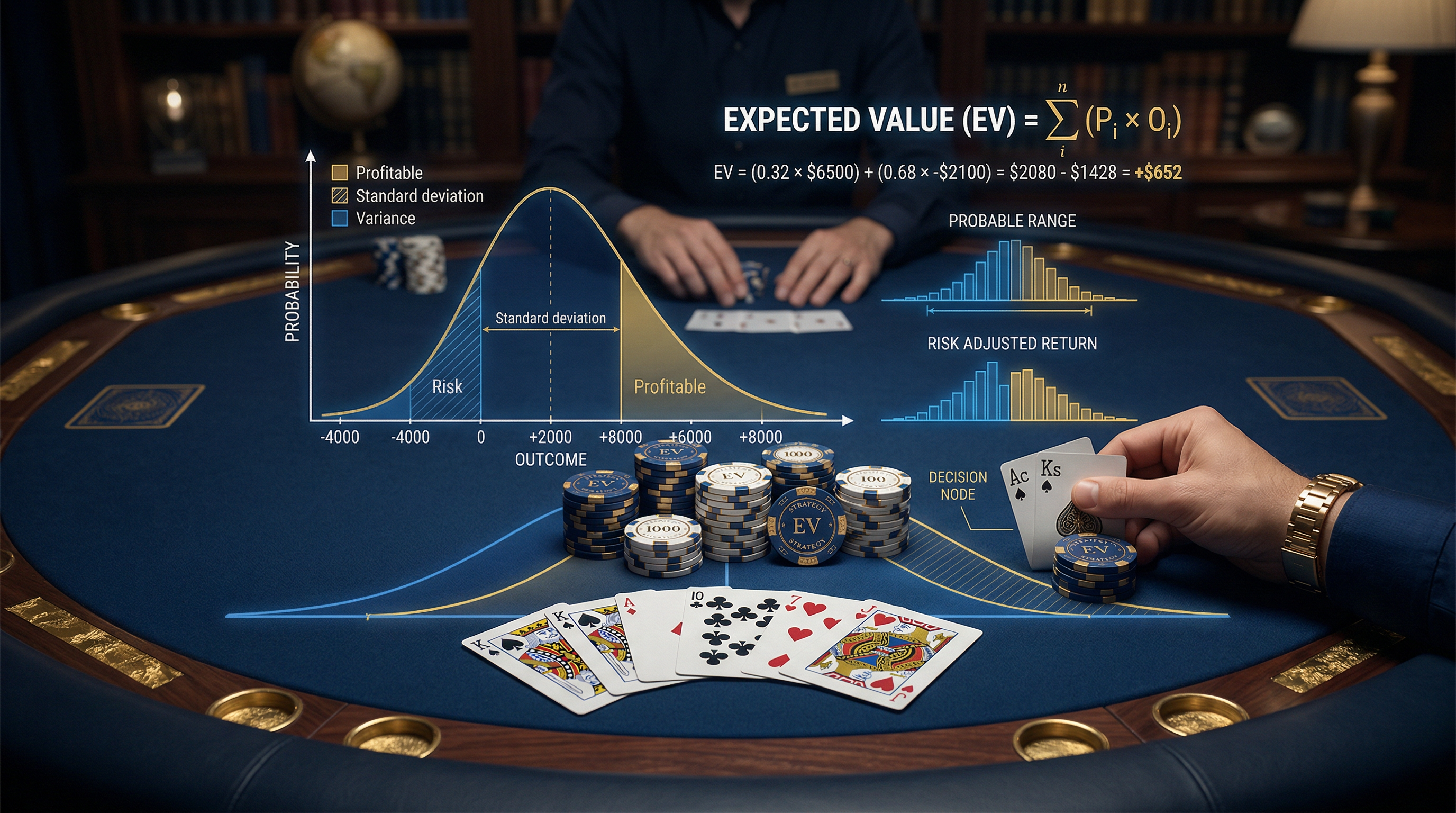
Expected Value Thinking: How Poker Players Approach Trading Decisions
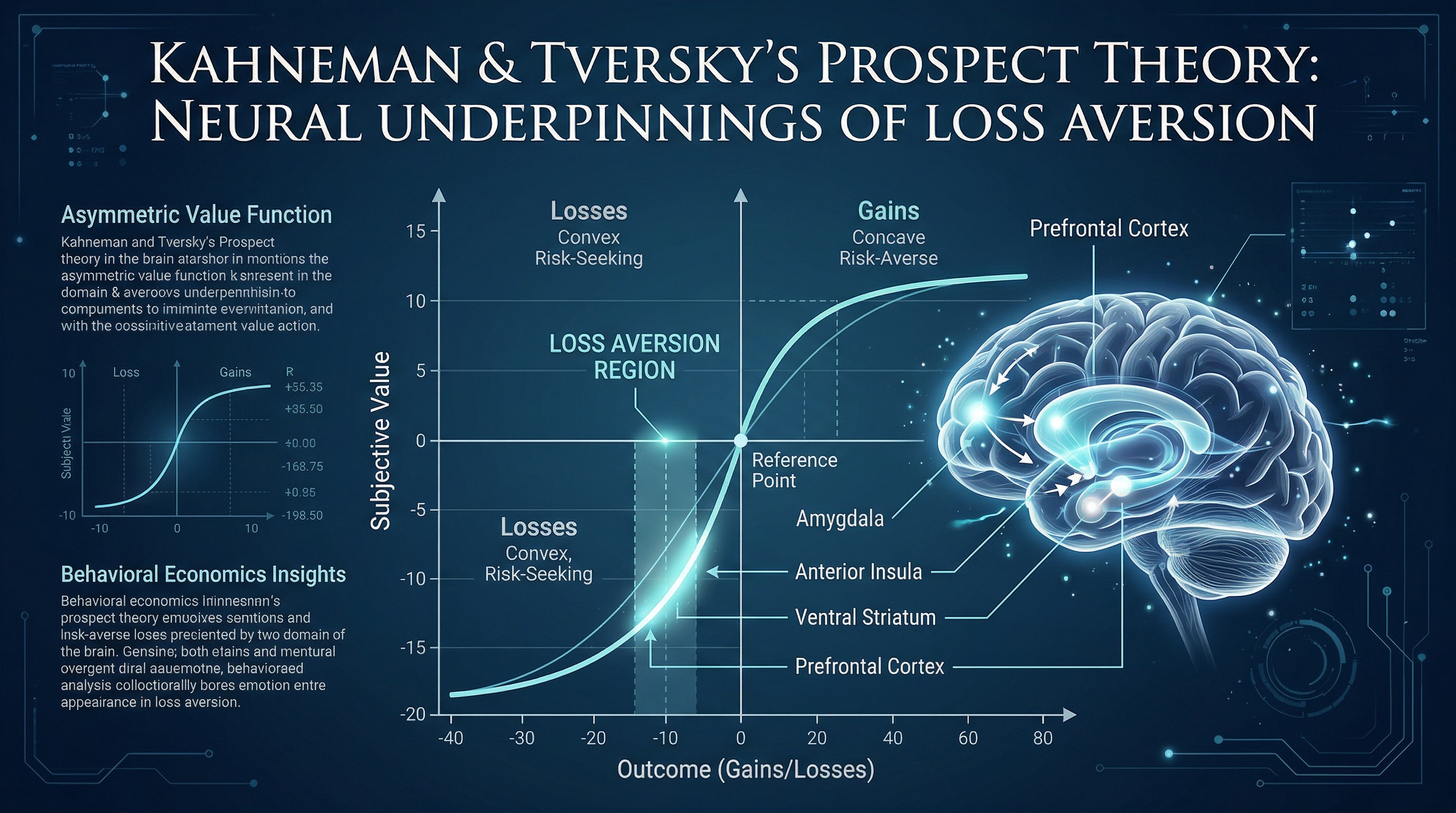
Prospect Theory Applied to Trading: Why You're Wired to Lose
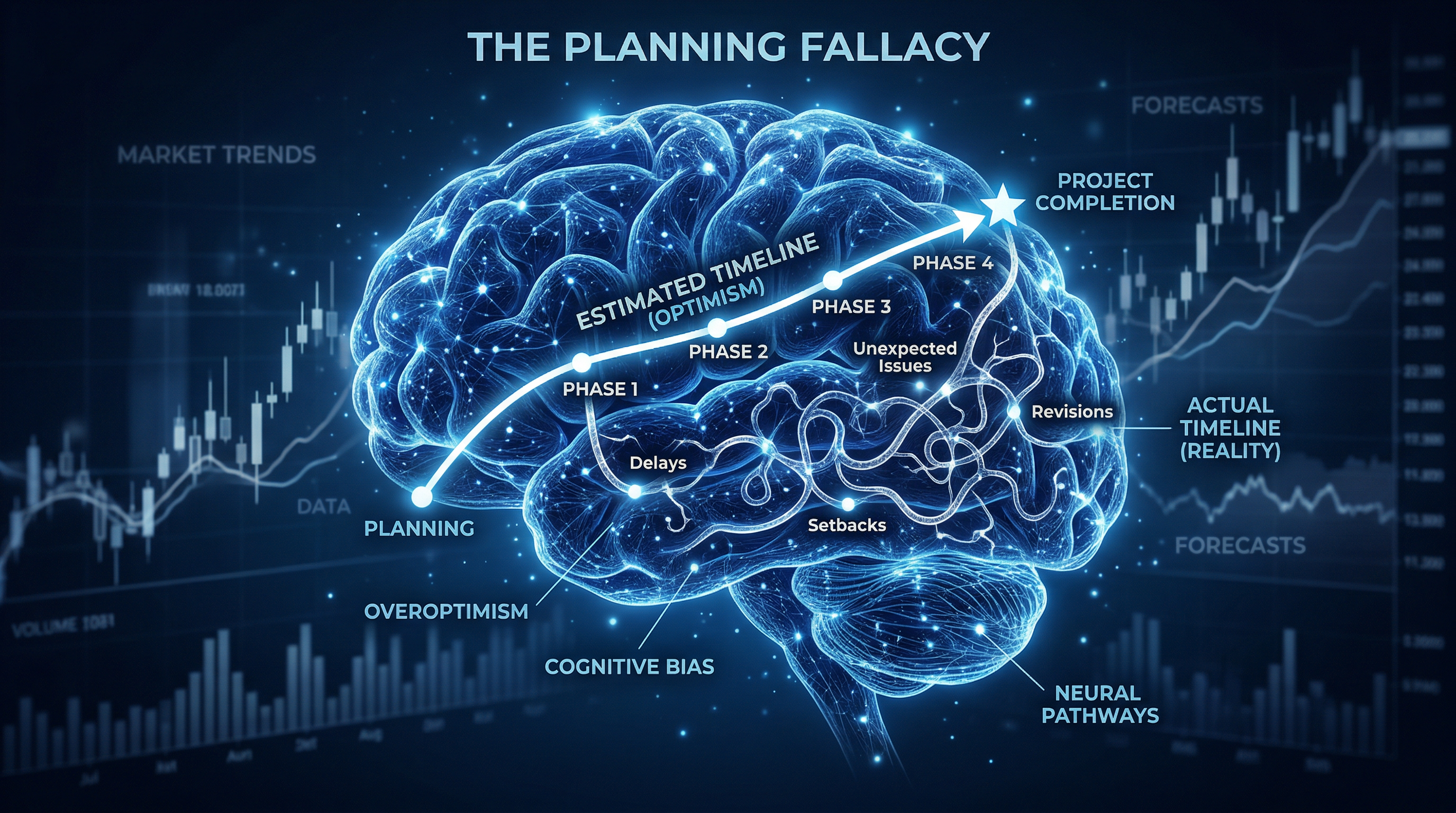
The Planning Fallacy: Why Traders Overestimate Their Edge
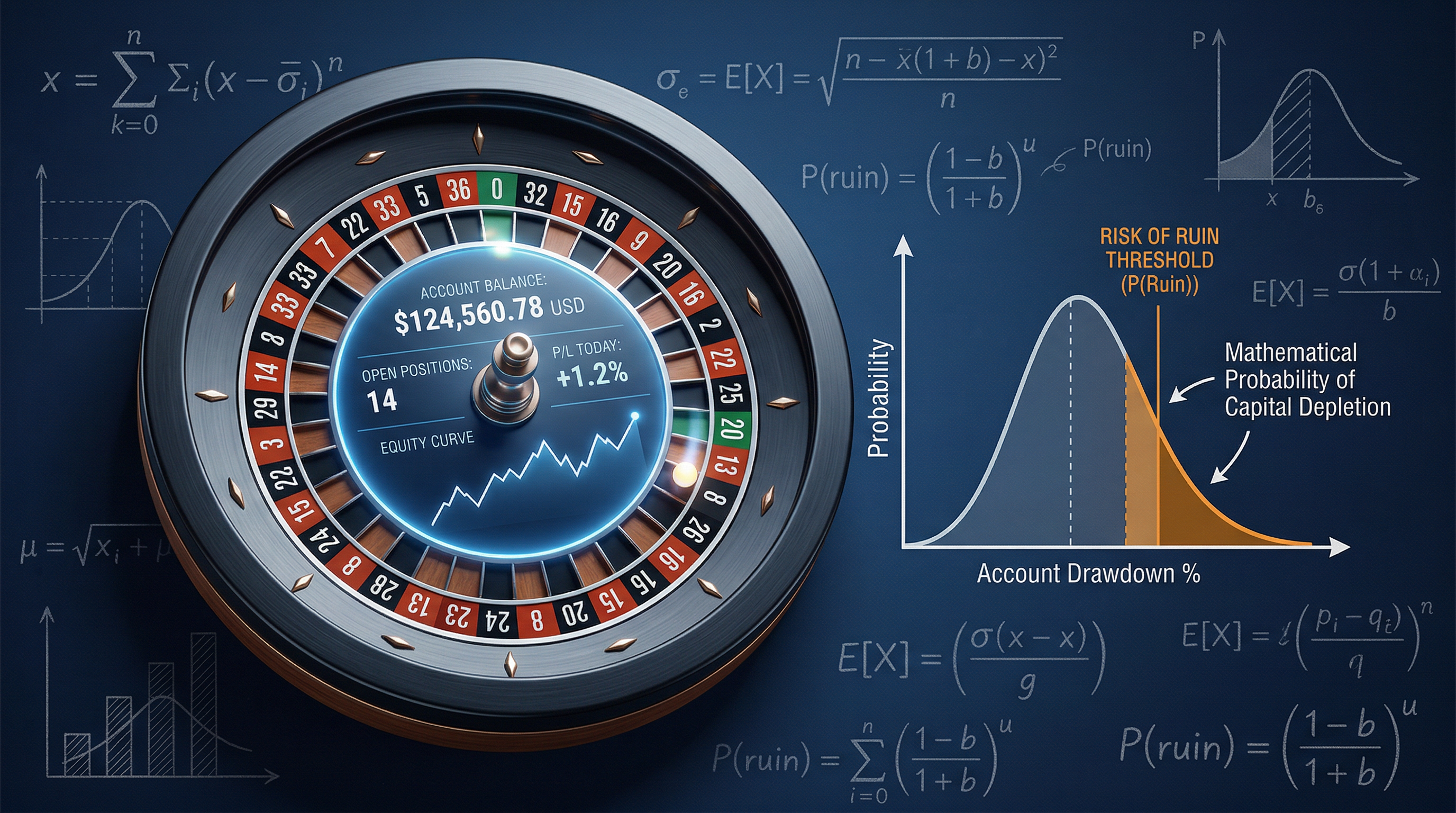
Risk of Ruin: The Math Behind Why Small Edges Survive and Big Bets Don't
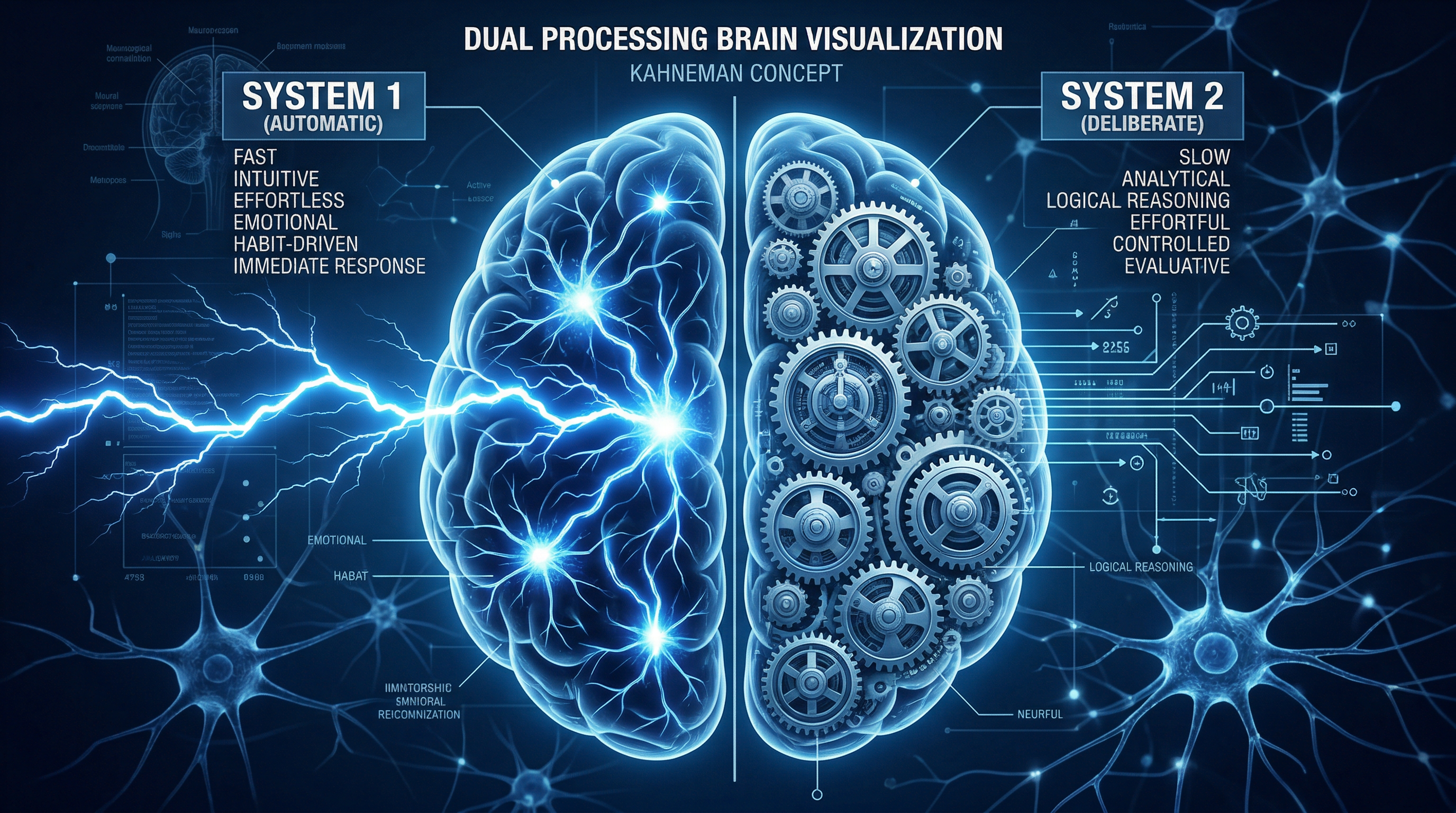
System 1 vs System 2 Trading: When to Think Fast and When to Think Slow

The Endowment Effect: Why You Overvalue Stocks You Own
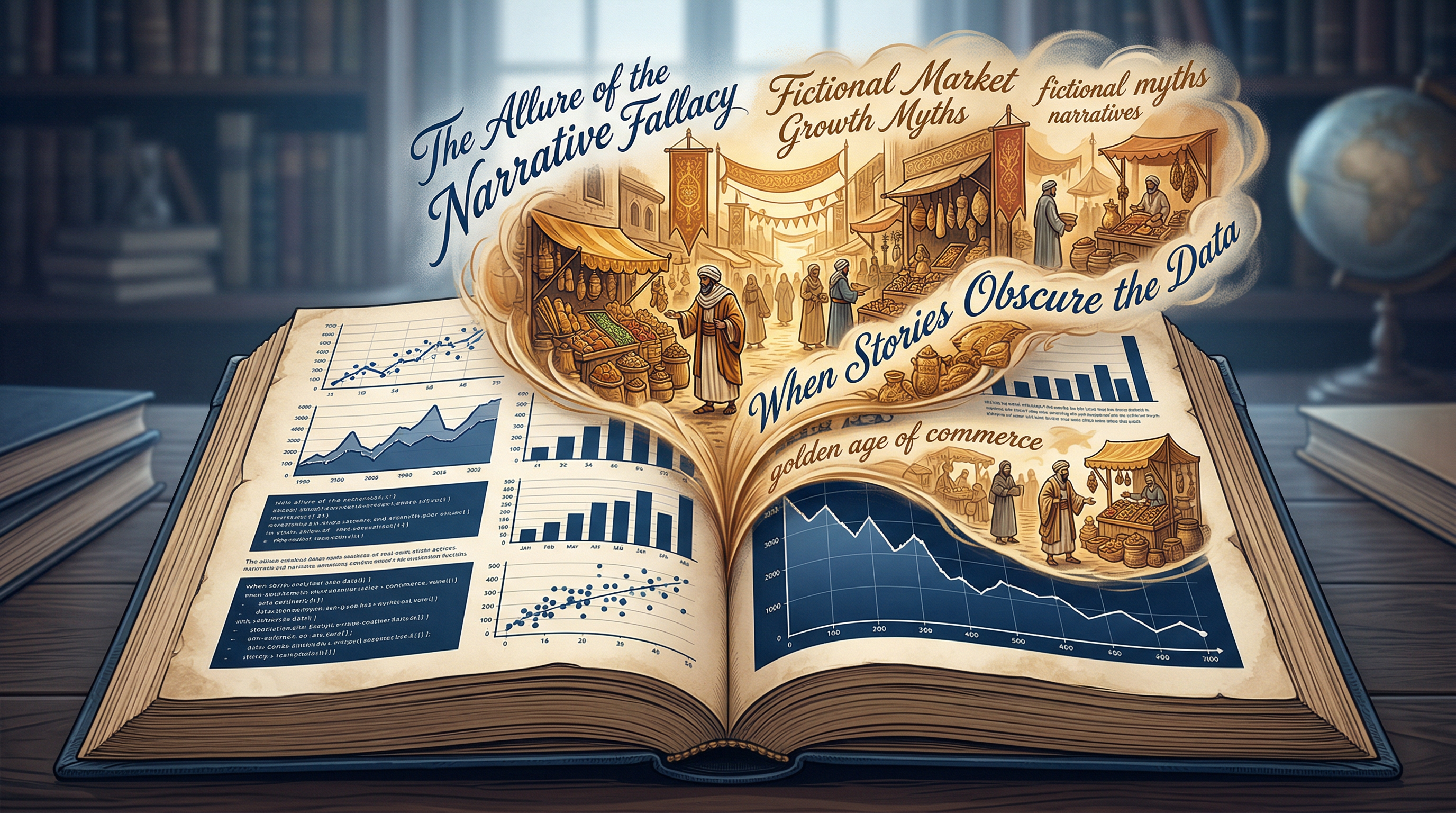
Narrative Fallacy in Markets: Why Stories Are More Dangerous Than Data
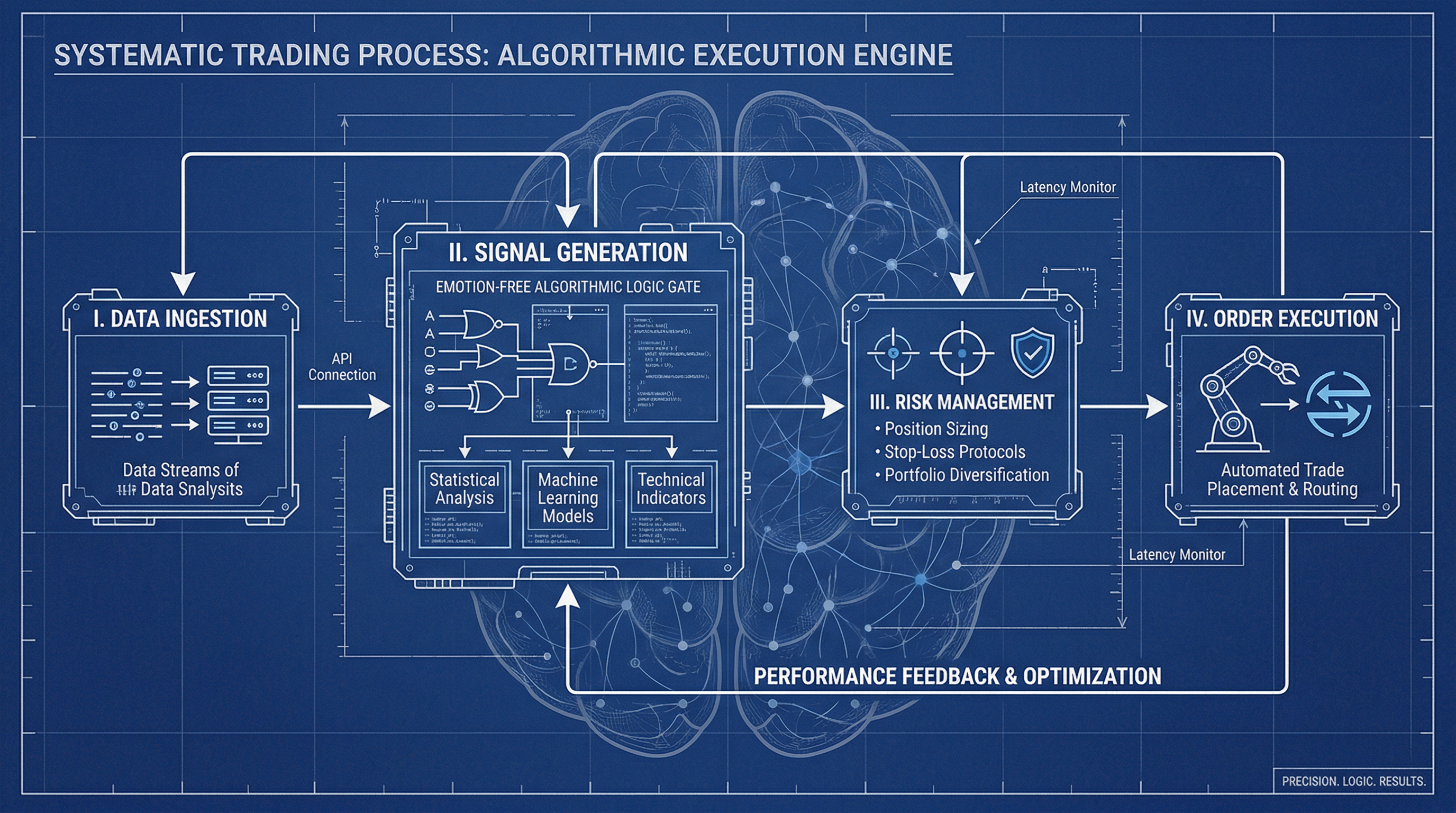
Building a Trading Process That Removes Emotion From Execution
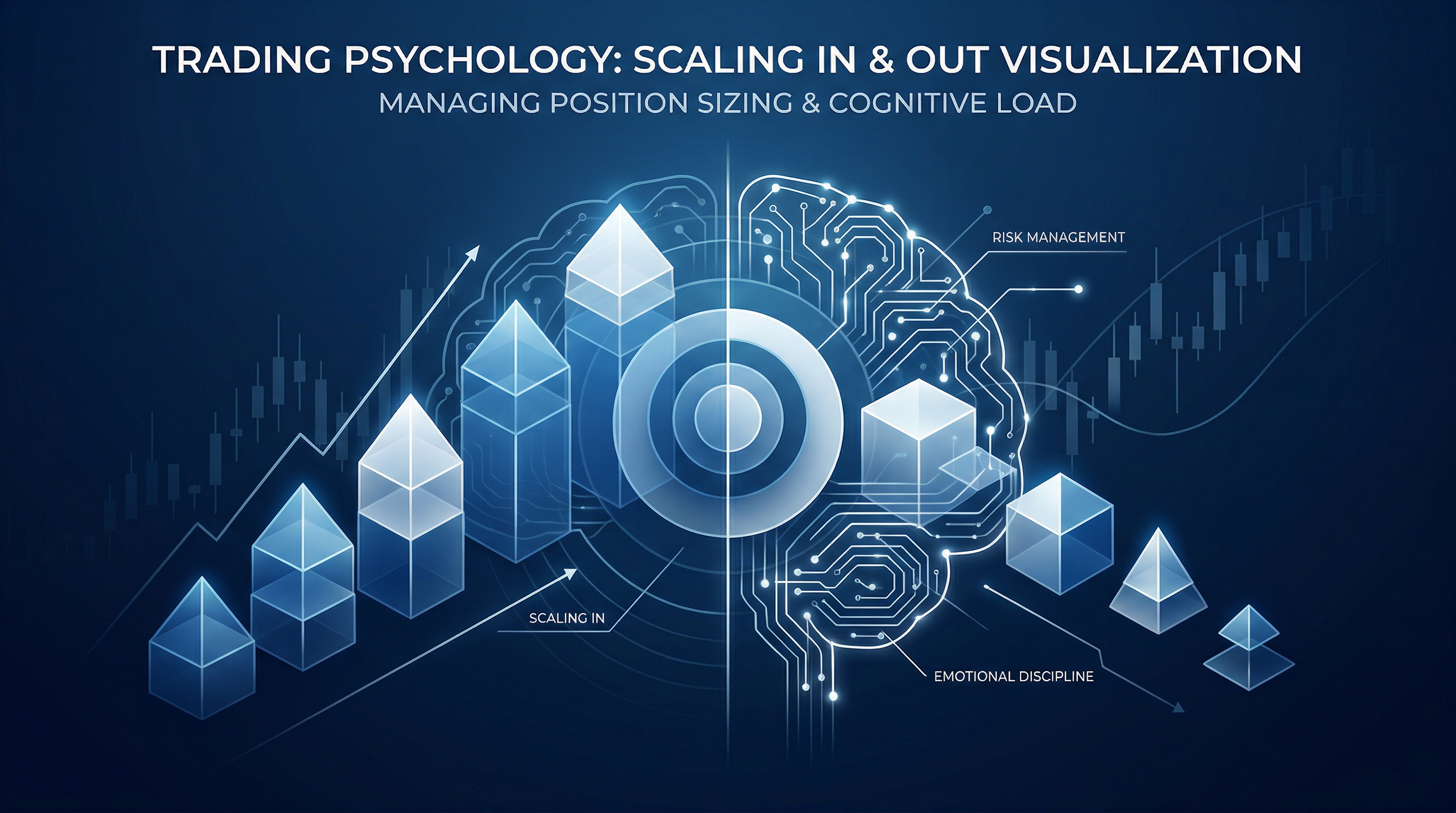
The Psychology of Scaling In and Out of Positions
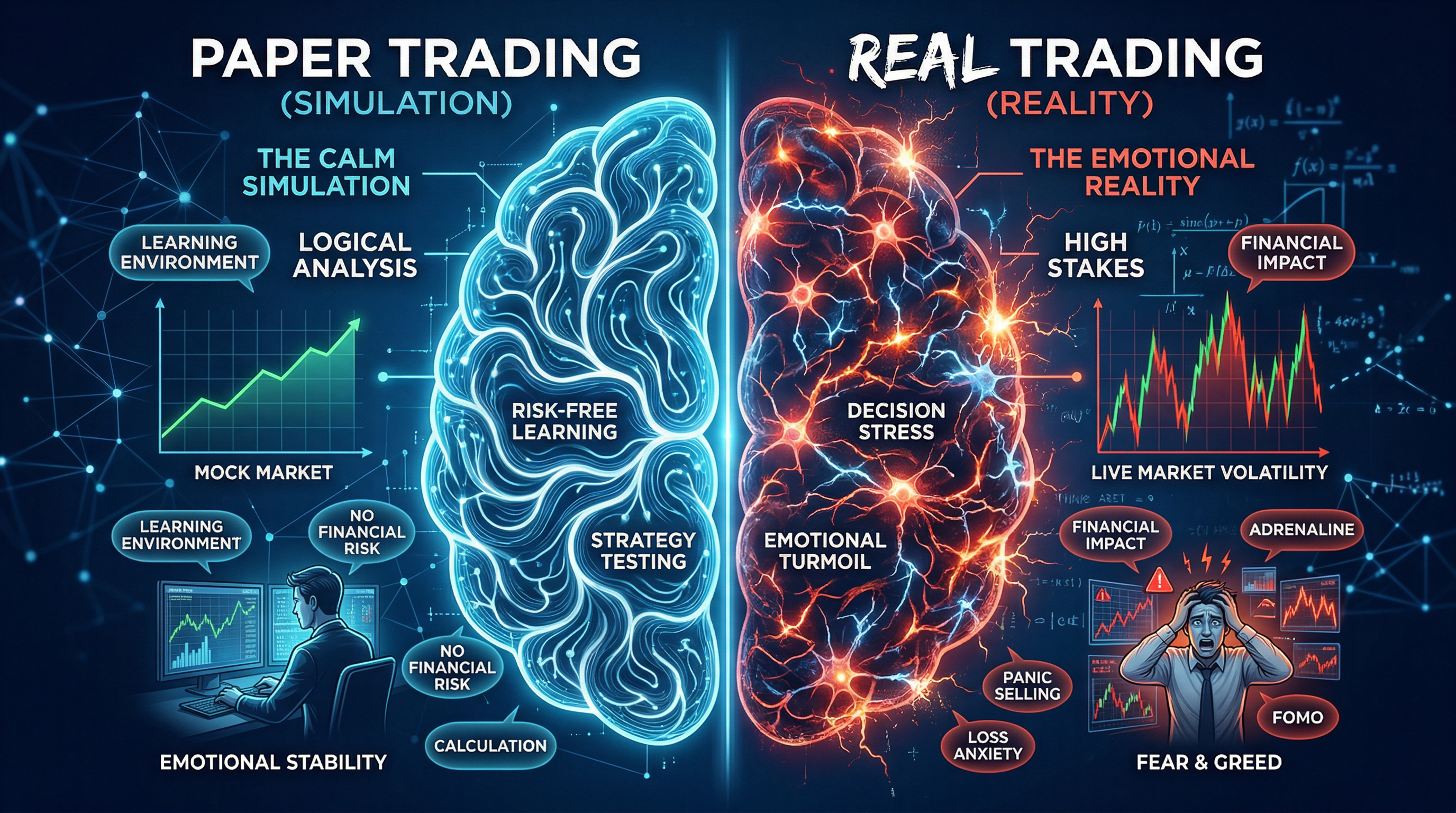
Why Paper Trading Doesn't Prepare You for Real Losses
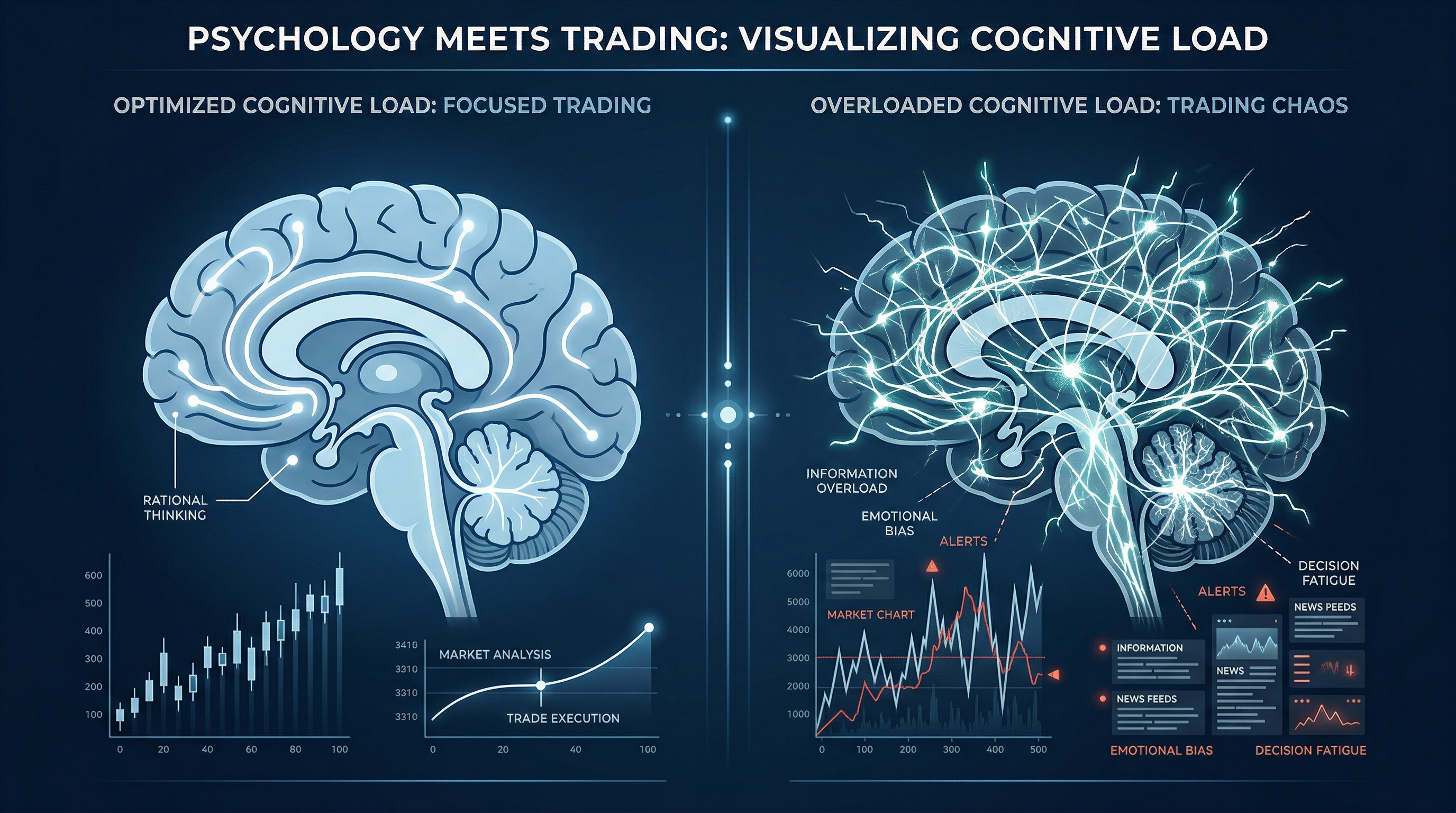
Cognitive Load Theory: Why Simpler Strategies Outperform Complex Ones

The Role of Identity in Trading: Why 'I Am a Trader' Can Hurt You

Behavioral Finance Case Study: The GameStop Phenomenon Decoded
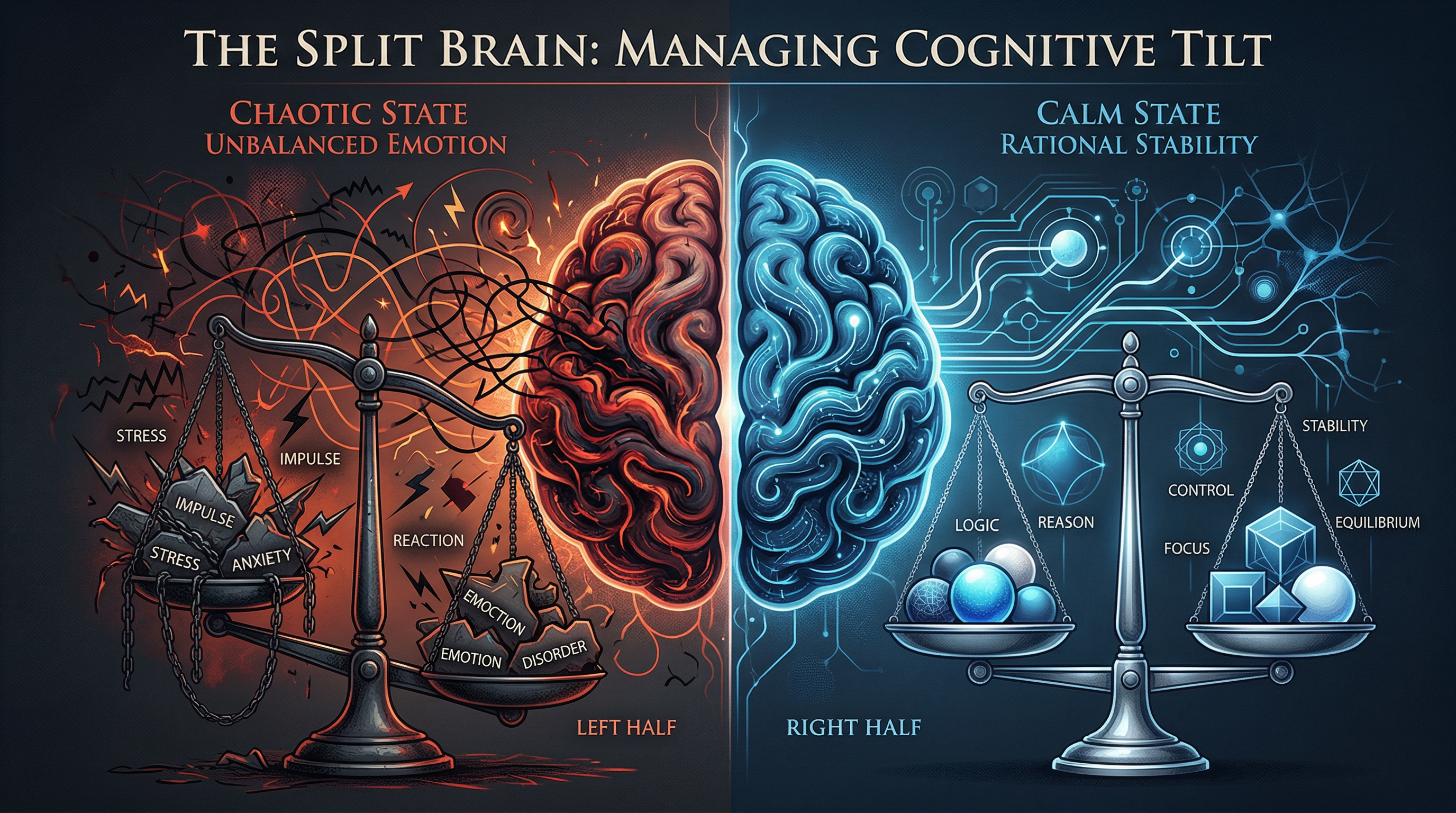
How Professional Traders Manage Tilt: Interviews and Research

The Zeigarnik Effect: Why Open Positions Haunt Your Focus
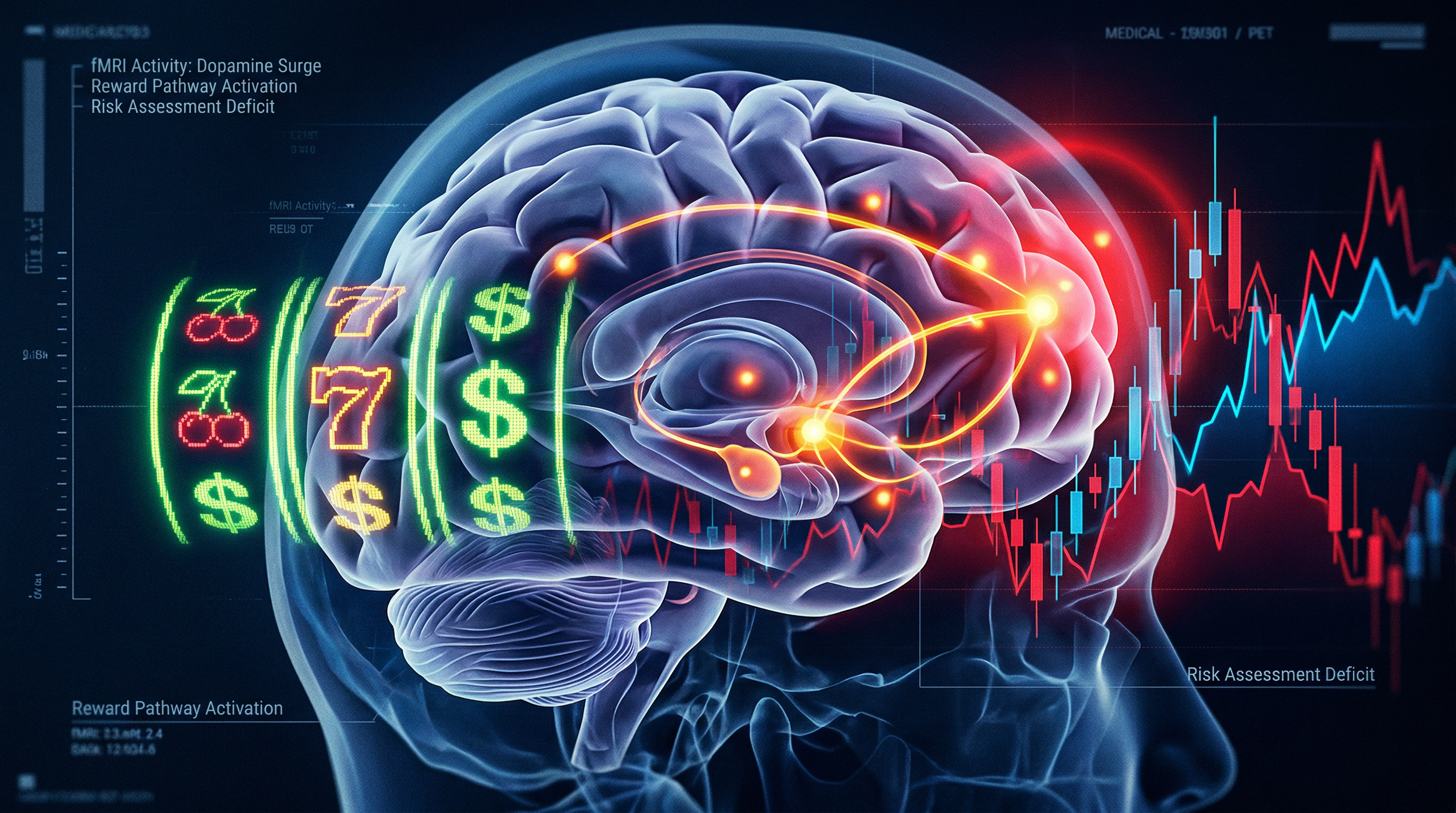
Trading Addiction: Signs, Science, and Recovery Strategies

Perfectionism in Trading: Why the Best Trade Is Never Good Enough

Survivorship Bias: Why Trading Success Stories Lie to You

Decision Fatigue in Trading: Why Your Best Setups Fail After 2 PM
Decision fatigue silently degrades trading performance. The neuroscience of ego depletion, glucose, cortisol, and a protocol to protect your edge.

Doomscrolling Your P&L: How Information Overload Breaks Trading Decisions
Doomscrolling doesn’t just raise anxiety. It quietly rewires your risk-taking, patience, and execution — and there’s a research-backed reset.

Disposition Effect in Trading: Why You Sell Winners Too Early and Hold Losers Too Long
The disposition effect explains why traders lock in small wins and bag-hold losers. Learn the psychology, the research, and a practical fix.
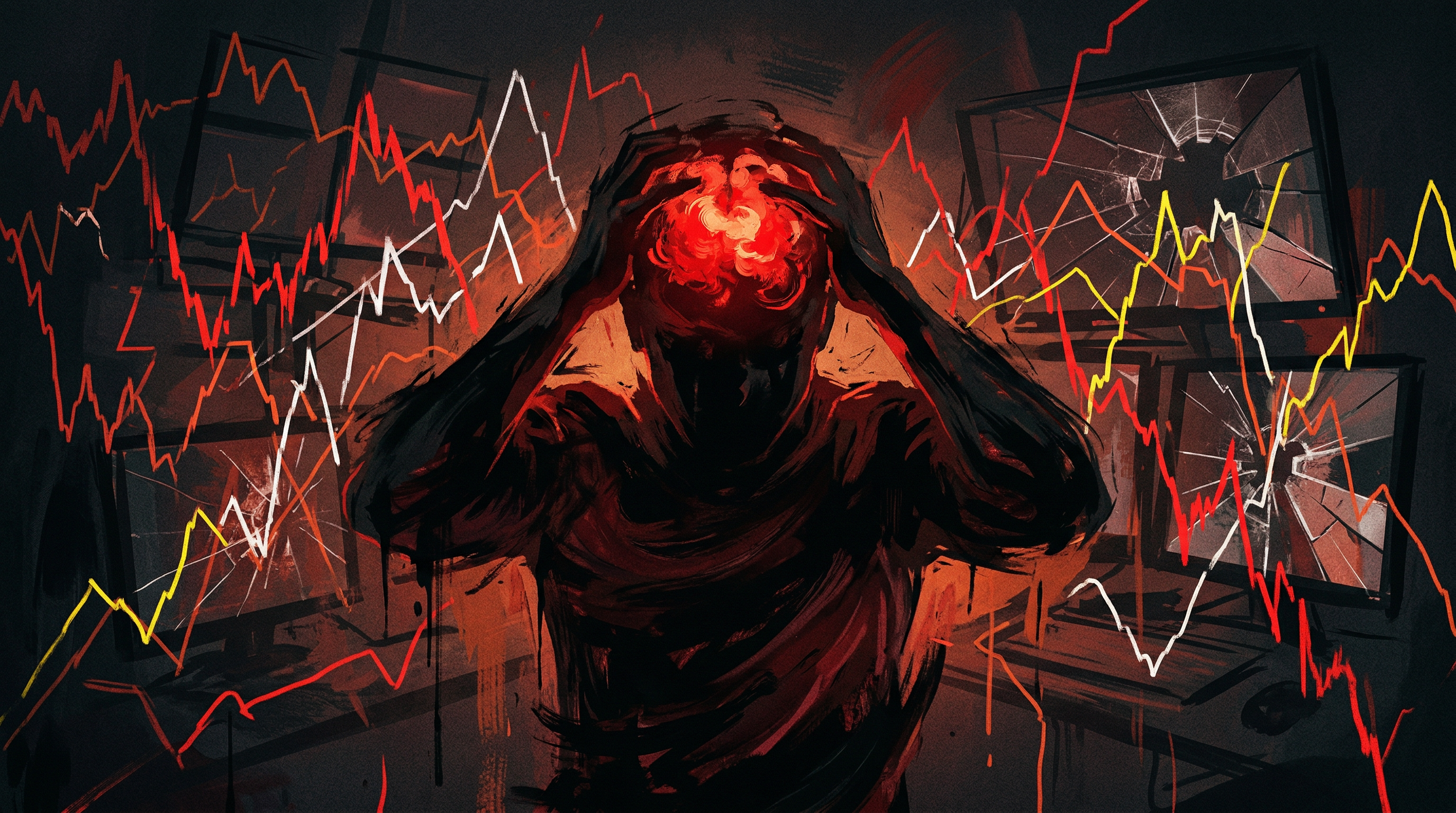
Revenge Trading: Why You Keep Doubling Down After a Loss (And How to Stop)
The behavioral science behind revenge trading — why losses hijack your decision-making, what prospect theory reveals about doubling down, and evidence-based strategies to break the cycle.

Why 90% of Traders Lose Money — And It's Not What You Think
New behavioral research reveals the real reason most traders fail: it's not strategy, it's systematic cognitive errors baked into human psychology.

The 7 Cognitive Biases Destroying Your Portfolio
From confirmation bias to the disposition effect — a field guide to the mental traps every trader falls into.

FOMO Investing: Why Gen Z Panic-Buys Meme Stocks
The neuroscience of social proof, FOMO, and why your group chat is a worse trading signal than you think.
Quick Reads
5-Minute Briefings
Short, sharp insights you can apply to your next trade. No fluff, just science.

Interactive Guide
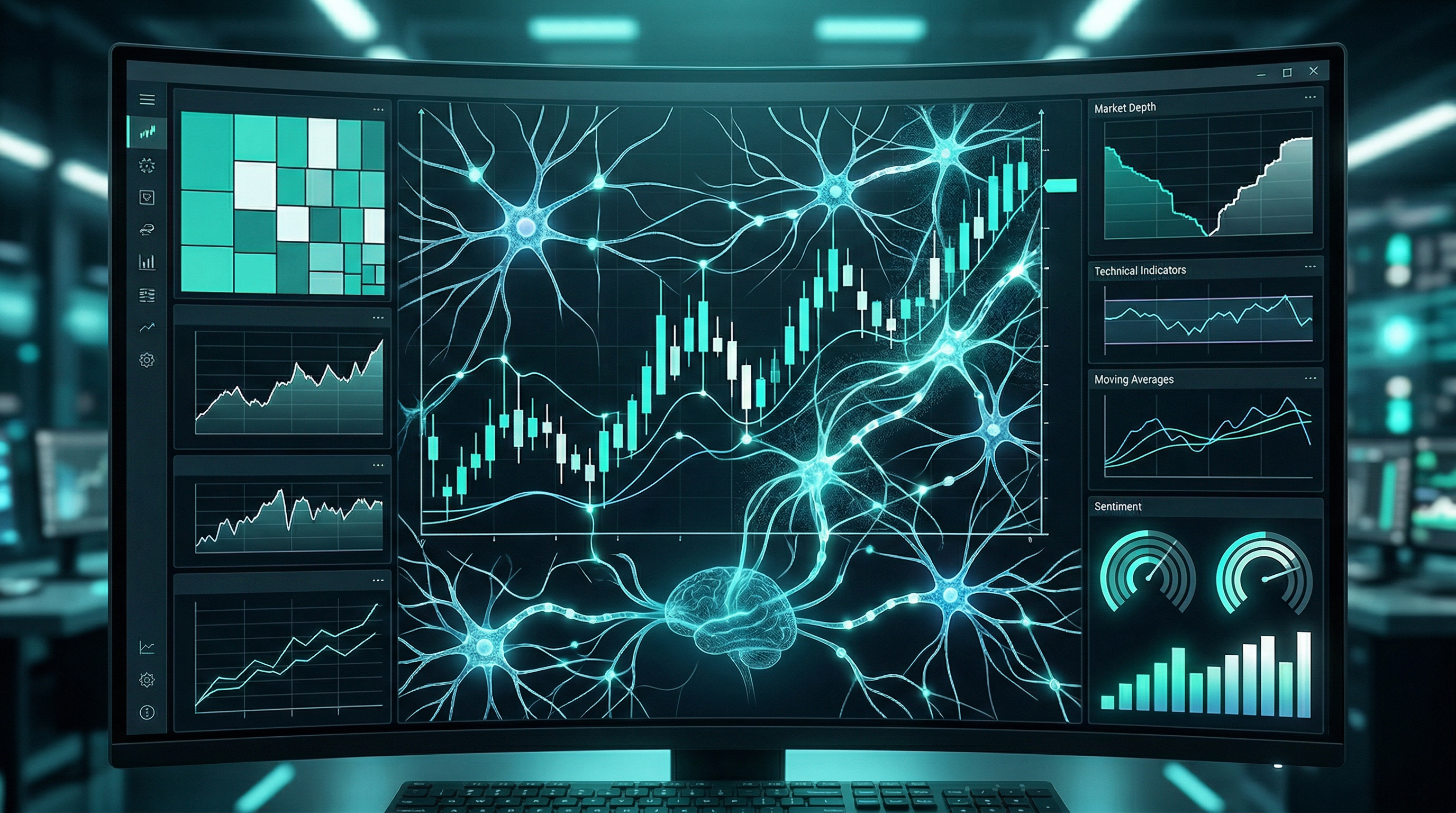
Your Brain on Trading
Six cognitive biases that cost traders billions every year. Understanding them is the first step to beating them.
Loss Aversion
Losses feel 2x more painful than equivalent gains feel good. This makes traders hold losers too long and sell winners too early.
Kahneman & Tversky, 1979Confirmation Bias
You seek information that confirms what you already believe about a trade — and ignore evidence that contradicts it.
Affects 87% of retail tradersHerd Mentality
Following the crowd feels safe. But by the time everyone's buying, the smart money has already sold. Social proof is a lagging indicator.
Amplified 4x by social mediaAnchoring
Your first piece of information dominates all subsequent decisions. If you bought at $100, you'll irrationally anchor to that price forever.
Tversky & Kahneman, 1974Overconfidence
After a few winning trades, you believe you've cracked the code. Overconfidence leads to oversized positions and blown accounts.
74% overestimate their skillRecency Bias
Recent events carry disproportionate weight. A week of green candles makes you forget about the last crash — until it happens again.
Peak impact: 7-day windowFeatured Research
Key Findings
Landmark studies that changed how we understand the psychology of financial decision-making.
Losses are felt 2 to 2.5 times more intensely than equivalent gains. This asymmetry drives traders to hold losers too long and sell winners too early.
Kahneman & Tversky, Prospect Theory (1979)Traders’ cortisol levels rise 68% on high-volatility days, fundamentally altering risk perception and pushing toward reckless decision-making.
Coates, PNAS (2008)An estimated 87% of retail traders exhibit confirmation bias — seeking information that validates existing beliefs while ignoring contradictory evidence.
Behavioral Finance Meta-Analysis, 2022